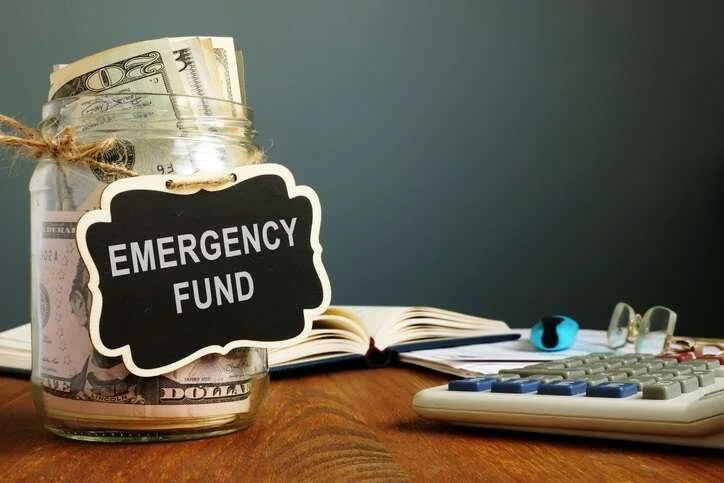
The journey toward financial stability doesn’t require sophisticated investment knowledge or access to exclusive resources. What it does require is understanding fundamental principles that govern personal finance and implementing strategies suited to one’s current situation. This guide explores practical approaches that help newcomers establish sustainable saving habits while navigating the complexities of modern financial management.
Understanding Why Saving Matters Before You Begin
The foundation of any successful financial plan rests on recognizing why saving functions as a critical pillar of financial health. Unlike spending, which depletes resources immediately, saving creates a buffer between current income and unexpected expenses. This distinction matters significantly when considering long-term financial security.
Research from major financial institutions consistently demonstrates that individuals who establish saving habits early accumulate considerably more wealth over their lifetime compared to those who delay. The concept extends beyond mere accumulation—it encompasses psychological readiness for financial challenges. When an unexpected expense arises, whether vehicle repairs or medical costs, people with savings avoid high-interest debt that compounds financial stress.
The Federal Reserve’s annual reports on household finances reveal that emergency savings remain critically underfunded across many demographics. Statistics show that millions struggle to cover a $400 emergency without borrowing or selling assets. This reality underscores why developing saving strategies early provides tangible protection against financial instability.
Assessing Your Current Financial Situation
Before implementing any saving strategy, taking honest inventory of current finances provides essential context. This assessment involves calculating total monthly income, documenting all expenses, and identifying spending patterns. The process need not be complex—it simply requires clarity about where money originates and where it goes.
Breaking down expenses into categories reveals surprising insights. Fixed costs like housing and utilities differ fundamentally from variable expenses such as dining out or entertainment. This distinction matters because variable expenses offer the most obvious opportunities for adjustment. The Consumer Financial Protection Bureau’s budget guidance recommends allocating roughly 50% of income to needs, 30% to wants, and 20% to savings and debt repayment, though individual circumstances vary significantly.
Tracking expenses for a full month, whether through smartphone applications, spreadsheets, or traditional notebooks, provides concrete data rather than estimates. Many people discover their perception of spending patterns differs markedly from reality once actual numbers emerge. Coffee purchases, subscription services, and discretionary shopping often consume larger percentages of income than anticipated.
The Emergency Fund: Your Financial Safety Net
An emergency fund represents the cornerstone of sound financial planning, yet remains among the most neglected components of personal finance for beginners. This dedicated account exists specifically to cover unexpected expenses without triggering debt accumulation or derailing regular financial plans.
Financial experts typically recommend building an emergency fund equal to three to six months of living expenses, though beginners often feel overwhelmed by this target. A more achievable starting point involves accumulating $1,000 to $2,000, which covers most common emergencies while remaining attainable within reasonable timeframes. Once this initial foundation exists, gradually expanding the fund toward the full target proceeds more naturally.
The account structure matters significantly. Emergency funds should exist in easily accessible accounts separate from daily checking accounts, reducing temptation to withdraw for non-emergencies. High-yield savings accounts available through online banks offer interest rates substantially exceeding traditional savings vehicles while maintaining full accessibility. This approach provides modest earnings while preserving the funds’ availability for genuine emergencies.
Consider automating emergency fund contributions by setting up direct transfers from checking accounts immediately following payday. This method removes the requirement for deliberate action while ensuring consistent progress. Starting with even small amounts—$25 or $50 per paycheck—establishes momentum and builds the psychological habit of prioritizing savings.
Identifying and Implementing Saving Categories
Effective savers often maintain multiple accounts designated for specific purposes, each with distinct goals and timelines. This approach transforms abstract saving into concrete targets, making progress tangible and maintaining motivation across extended timeframes.
Beyond emergency funds, consider establishing dedicated accounts for goals such as vehicle replacement, home improvement, vacation expenses, or major purchases. Each account serves as a visual representation of progress toward particular objectives. This segregation prevents the common scenario where savings become conflated with discretionary funds, vulnerable to reallocation whenever financial pressures arise.
The American Savings Education Council recommends setting SMART goals—specific, measurable, achievable, relevant, and time-bound—for each saving category. Rather than vaguely intending to “save for a vacation,” establishing a specific dollar target with a defined timeline creates actionable structure. For example, “accumulate $2,400 for a summer vacation within 12 months” provides clear direction and enables calculation of required monthly contributions.
Automated transfers prove invaluable for maintaining consistency across multiple accounts. Setting up recurring transfers on payday ensures that money moves into designated accounts before spending temptations arise. This automation leverages behavioral psychology by making saving the default action rather than requiring deliberate choice.
The 50/30/20 Budgeting Framework Explained
One of the most practical frameworks for beginners involves dividing income into three primary categories using the 50/30/20 approach endorsed by financial experts. This method provides structure without requiring obsessive detailed tracking while remaining flexible enough for various income levels and circumstances.
Under this framework, 50% of after-tax income covers necessities—housing, utilities, groceries, transportation, and insurance. These expenses remain relatively fixed and unavoidable. The second category, comprising 30%, covers wants such as dining out, entertainment, streaming services, and hobbies. This allocation acknowledges that financial plans should include enjoyment rather than requiring complete deprivation. The final 20% goes toward savings and debt repayment, creating substantial financial progress while maintaining spending flexibility.
This approach differs fundamentally from restrictive budgets that many find unsustainable. Rather than requiring detailed tracking of every expense, users simply ensure overall categories remain within approximate ranges. Someone spending exactly 48% on needs and 32% on wants would likely see no meaningful difference from the recommended proportions.
Implementation begins by calculating after-tax monthly income, then multiplying by 0.5, 0.3, and 0.2 to determine dollar amounts for each category. Reviewing past expenses reveals current allocation, making clear which areas require adjustment. The framework’s flexibility allows customization—individuals with high housing costs might adjust the needs percentage upward, compensating elsewhere.
Strategic Debt Management While Saving
For individuals carrying existing debt, determining whether to prioritize debt repayment or savings creation presents a genuine dilemma without a universally correct answer. The optimal approach depends on debt characteristics, interest rates, and psychological factors affecting motivation.
High-interest debt, particularly credit cards carrying rates exceeding 15%, typically warrants aggressive repayment prioritization before substantial savings accumulation. The interest accumulation outpaces typical savings returns, making debt elimination financially superior. However, maintaining at least a small emergency fund ($1,000–$2,000) remains advisable even while pursuing aggressive debt paydown, preventing the scenario where unexpected expenses force borrowing at high rates.
Lower-interest debt such as mortgages or student loans presents different mathematics. These rates often sit below long-term investment returns, making simultaneous savings and moderate debt payments more sensible than single-minded debt elimination. The National Foundation for Credit Counseling recommends calculating effective interest rates and comparing them against realistic savings returns when making these decisions.
Debt avalanche and debt snowball methods represent two popular repayment approaches. The avalanche method prioritizes highest-interest debt first, minimizing total interest paid but offering slower initial psychological wins. The snowball method eliminates smallest balances first, creating frequent victories that sustain motivation. Either approach works better than no systematic plan, with success depending more on consistent execution than method selection.
Automating Your Savings: The Hands-Off Approach
Automation transforms saving from an exercise requiring constant willpower into a largely automatic process. This approach leverages behavioral economics principles demonstrating that people save more when the default action involves saving rather than requiring deliberate choice.
Setting up automatic transfers from checking accounts to savings accounts on payday removes decision-making from the process. Once established, these transfers proceed without conscious thought. The American Psychological Association’s research on habit formation indicates that automating financial behaviors significantly improves consistency compared to manual tracking and monthly decisions.
Many employers offer direct deposit options that split paychecks between multiple accounts. Rather than receiving a single deposit requiring subsequent transfers, workers can direct a specified percentage directly to savings while the remainder reaches their primary checking account. This approach eliminates the intermediate step entirely, making it particularly effective for people vulnerable to spending money before consciously deciding to save.
The specific transfer amount matters less than consistency. Starting with even small percentages—3% to 5% of gross income—establishes the savings habit while requiring minimal lifestyle adjustment. Once the rhythm becomes established, gradually increasing the percentage becomes substantially easier than overambitious initial targets. Many experts recommend increasing savings rates whenever income rises, directing additional earnings toward savings rather than lifestyle expansion.
Choosing Appropriate Savings Account Types
Different savings goals benefit from different account structures, each offering distinct advantages suited to various timeframes and access requirements. Understanding these options prevents common mistakes such as locking money in accounts with penalties when flexibility proves necessary.
High-yield savings accounts offered by online banks provide the optimal choice for emergency funds and short-term savings goals. These accounts typically offer annual percentage yields substantially exceeding traditional brick-and-mortar banks while maintaining full liquidity. The modest earnings provide a buffer against inflation while keeping funds immediately accessible.
Money market accounts function similarly to savings accounts but often require larger minimum balances while offering slightly higher yields. These accounts suit savers with substantial emergency funds already established and additional money to allocate.
Certificates of deposit (CDs) work well for longer-term goals with defined timelines. These accounts lock funds for specified periods—ranging from three months to five years—in exchange for higher guaranteed interest rates. Accessing funds before maturity triggers penalties, making CDs unsuitable for true emergency funds but appropriate for goals with known completion dates. Someone planning a home purchase in three years, for example, might allocate funds to a three-year CD at considerably higher rates than savings accounts.
High-yield savings accounts present the optimal choice for most beginners given their balance of accessibility, safety (deposits insured up to $250,000 by the Federal Deposit Insurance Corporation), and competitive returns. The account selection should prioritize simplicity—choosing one or two account types prevents confusion while maintaining sufficient structure.
Reducing Expenses: Finding Money to Save
Many beginners feel constrained by limited income, overlooking the substantial savings opportunities available through expense reduction. Before accepting that inadequate income prevents saving, honest examination of spending patterns often reveals surprising opportunities for adjustment.
Fixed expenses—housing, utilities, insurance—present fewer obvious reduction opportunities, though even these sometimes offer optimization. Refinancing mortgages, renegotiating insurance rates, and adjusting utility usage through efficiency improvements all reduce fixed costs without drastically affecting lifestyle. Many people discover they’ve maintained outdated insurance coverage or failed to shop rates in years, immediately creating savings opportunities through simple action.
Variable expenses offer more substantial reduction potential. Dining out, subscription services, entertainment spending, and casual shopping frequently expand beyond conscious intention. Reviewing bank statements reveals accurate spending patterns. Someone who completes this exercise might discover monthly restaurant spending of $300 that had been mentally estimated at $100—a $200 monthly difference or $2,400 annually.
Reducing discretionary spending needn’t mean complete elimination. Many people successfully cut spending by 20–30% through targeted adjustments rather than restrictive elimination. Reducing dining-out frequency from twice weekly to twice monthly, canceling unused subscriptions, and directing entertainment expenses toward low-cost activities all accumulate substantial savings. The Bureau of Labor Statistics consumer spending data reveals that average households contain numerous categories where spending exceeds necessity.
Establishing spending boundaries using the “30-day rule” helps control impulse purchases. When wanting something non-essential, waiting 30 days before purchasing eliminates many purchases as the initial desire passes. This simple friction reduces impulsive spending dramatically without requiring complex willpower.
Building Saving Habits That Last
The distinction between short-term saving and sustainable financial practices centers on habit formation. Temporary motivation rarely sustains behavioral change; genuine habits require repeated action until the behavior becomes automatic.
Research on habit development indicates that consistency matters more than intensity. Automatically saving small amounts regularly outperforms sporadic large-scale saving efforts. Someone who saves $50 every two weeks ($1,200 annually) with minimal willpower required maintains the behavior far longer than someone who saves $500 monthly but requires substantial effort and motivation.
Tracking progress visually reinforces commitment and motivates continued action. Visual representations—progress bars, charts, or simple percentage completion indicators—create psychological satisfaction from incremental progress. Digital banking applications often provide these features automatically, displaying progress toward specific goals.
Social accountability strengthens habit persistence. Discussing savings goals with trusted friends, family members, or online communities creates gentle social pressure maintaining consistency. Many people find that verbalizing goals increases likelihood of achievement through commitment mechanisms.
Celebrating milestone achievements sustains long-term motivation. Reaching the initial emergency fund target, accumulating savings equal to one month’s expenses, or hitting specific dollar goals all warrant acknowledgment. These celebrations needn’t involve spending—they might simply involve reflection on progress achieved.
Comparison Table: Savings Account Types and Features
| Account Type | Liquidity | Interest Rate | Best For | Minimum Balance | Risk Level |
|---|---|---|---|---|---|
| High-Yield Savings | Immediate | 4–5.3% APY | Emergency funds, short-term goals | $0–$1,000 | Very Low |
| Traditional Savings | Immediate | 0.01–0.05% APY | Legacy banking, minimal savings | $0–$500 | Very Low |
| Money Market | 3–6 days | 4–5% APY | Established emergency funds | $2,500–$10,000 | Very Low |
| Certificate of Deposit | Limited by terms | 4.5–5.3% APY | Known timeline goals | $500–$1,000 | Very Low |
| Regular Checking | Immediate | 0–0.2% APY | Daily transactions | $0 | Very Low |
Frequently Asked Questions About Saving Strategies
How much should beginners actually save each month?
The amount varies based on individual circumstances, but financial experts recommend starting with whatever percentage of income proves sustainable—even 3–5% of gross income. Once this becomes automatic through habit, gradual increases become easier. The goal involves establishing the behavior rather than achieving a specific initial amount. Someone earning $2,500 monthly might begin saving $125 (5%), increasing to $200 within six months as the behavior solidifies.
Should I prioritize saving or paying down debt?
This depends on debt characteristics. High-interest credit card debt (15%+ APY) typically warrants priority, with savings limited to a small emergency fund ($1,000–$2,000). Lower-interest debt like mortgages or student loans makes simultaneous saving and moderate debt payment sensible. Calculate effective interest rates and compare them against realistic savings returns to make informed decisions.
Is a high-yield savings account safe for emergency funds?
Yes, when using accounts from institutions insured by the Federal Deposit Insurance Corporation (FDIC), deposits remain protected up to $250,000. Online banks offering high-yield accounts typically carry the same protections as traditional banks despite lacking physical locations. This structure makes them ideal for emergency fund allocation.
How can I overcome the temptation to spend savings?
Automation removes the temptation by moving money before conscious decisions occur. Keeping savings accounts separate from checking accounts, preferably at different institutions, reduces easy access. Many high-yield savings accounts operate through online-only banks, adding friction that discourages impulse withdrawals. Some people find success with physical separation—maintaining emergency funds at institutions they rarely visit.
What’s the best savings goal for beginners without existing emergency funds?
Financial experts recommend starting with $1,000–$2,000, covering most emergencies without requiring years of saving. This initial target remains achievable within several months for most income levels. Once established, expanding toward three to six months of living expenses proceeds more sustainably. Breaking this larger target into quarterly milestones—such as reaching $5,000 within one year—maintains motivation through incremental progress.
Can I save while still enjoying life?
Absolutely. The 50/30/20 framework intentionally allocates 30% of income toward wants, acknowledging that financial health includes life enjoyment. Rather than complete deprivation, strategic saving involves conscious allocation rather than elimination. Reducing variable expenses by 20–30% through targeted adjustments typically maintains substantial quality-of-life while creating meaningful savings.
How often should I review and adjust my saving strategy?
Quarterly reviews prove sufficient for most beginners, reviewing progress against goals and adjusting targets as circumstances change. Major life changes—job transitions, family additions, or significant expense changes—warrant immediate strategy reassessment. However, avoid excessive adjustment; consistent action toward established goals matters more than perfect optimization.
What if my income is inconsistent or irregular?
Variable income situations require slightly different approaches. Calculating average monthly earnings over a six to twelve-month period establishes a baseline savings percentage. During months exceeding the average, allocate excess income toward savings. Creating a buffer account for irregular income helps smooth variable deposits into consistent savings contributions.
Are there specific savings apps or tools that actually help?
Effective tools remain secondary to consistent behavior, but certain applications enhance the process. Automation-focused platforms make regular transfers seamless. Budgeting applications that track expenses and categorize spending reveal spending patterns. Progress-tracking tools with visual representations reinforce motivation. The best tool remains whichever one the individual will actually use consistently.
How do I know if my savings goals are realistic?
Test goal realism by calculating required monthly savings and confirming the amount fits within your budget after covering needs and wants. If reaching a goal requires saving more than available after other commitments, adjust the timeline rather than the amount. Longer timelines with consistent contributions reliably reach targets; aggressive short timelines often fail due to unsustainability.
Building Long-Term Financial Confidence
The journey toward financial stability begins not with perfect execution but with initial action and consistent habit development. Many beginners expect intermediate or advanced knowledge before beginning, overlooking that expertise develops through practice. Understanding foundational principles, implementing basic strategies, and maintaining consistency creates substantially better outcomes than waiting for perfect knowledge.
Starting with honest assessment of current finances establishes baseline understanding. Implementing automatic savings, even at modest levels, removes willpower from the equation while establishing behavioral patterns. Building an emergency fund provides psychological security that often generates motivation for continued progress. These foundational steps require no special expertise—only commitment to establishing new behavioral patterns.
The timeline for building substantial savings varies dramatically based on individual circumstances. Someone saving $500 monthly reaches $5,000 within ten months; someone saving $100 monthly reaches the same target within fifty months. Rather than comparing against others’ timelines, focus on consistent progress within your own circumstances. Financial stability emerges from sustained effort over months and years rather than rapid acceleration.
As savings accumulate, emerging opportunities for optimization naturally arise. Exploring investment vehicles, refinancing debt at improved rates, or increasing earnings through career development all become relevant once foundational habits solidify. Attempting advanced strategies before establishing basic discipline typically proves counterproductive. The most sophisticated strategy fails without consistent execution; modest strategies executed reliably create substantial results.
The psychological dimension of saving—building confidence in one’s financial management capability—arguably matters as much as accumulated dollars. Each milestone achieved reinforces confidence in future success. Reaching an initial $1,000 emergency fund, accumulating savings equaling one month’s expenses, or successfully reducing discretionary spending by targeted percentages all generate motivation for continued progress.
Beginners sometimes feel isolated in financial struggles, overlooking that millions navigate identical challenges simultaneously. Consumer research consistently demonstrates that most households struggle with saving despite diverse income levels. This universal struggle doesn’t indicate personal failure—it reflects systemic pressures and behavioral patterns affecting broad populations. Implementing structured strategies directly addresses these universal pressures by establishing systems that overcome natural spending inclinations.
The strategies outlined in this guide require no special tools, relationships, or knowledge beyond basic arithmetic. High-yield savings accounts remain accessible to anyone with valid identification. Automatic transfers function identically regardless of account balance. Budget frameworks require only realistic self-assessment. Emergency funds accumulate gradually through consistent small contributions. These accessible tools combined with sustained effort create meaningful financial progress.
Begin wherever current circumstances permit. If monthly budget seems impossibly tight, start with tracking expenses for a single month to identify actual spending patterns. If initial savings feels impossible, automate even $25 per paycheck rather than waiting for capacity to save $500. If existing debt feels overwhelming, consult a nonprofit credit counseling agency for professional guidance. Every step forward, regardless of size, creates measurable progress.
The financial security that comes from sustainable savings provides benefits extending far beyond accumulated dollars. Reduced financial stress affects physical health, mental wellbeing, and quality of relationships. Confidence in managing finances improves decision-making across other life domains. The psychological freedom of knowing emergency funds exist reduces constant low-level anxiety affecting millions. These intangible benefits often matter more than the financial accumulation itself.
Your financial trajectory emerges not from a single decision but from accumulated small choices made consistently over extended periods. The person who saves $2,400 annually through modest, automatic contributions experiences dramatically different financial outcomes within five years compared to someone saving nothing—not through superior knowledge or exceptional discipline, but through simple consistency with accessible tools. This accessible path remains open to anyone willing to implement foundational principles and maintain steady effort.
The next step doesn’t require perfect planning. Calculate current income and expenses. Choose one account type for emergency fund accumulation. Set up a single automatic transfer on payday. These concrete actions transform abstract intentions into tangible momentum. Financial security, like all meaningful achievements, emerges from beginning where you are, using tools available to you, and continuing despite imperfection. Your future financial self will reflect the decisions made today.