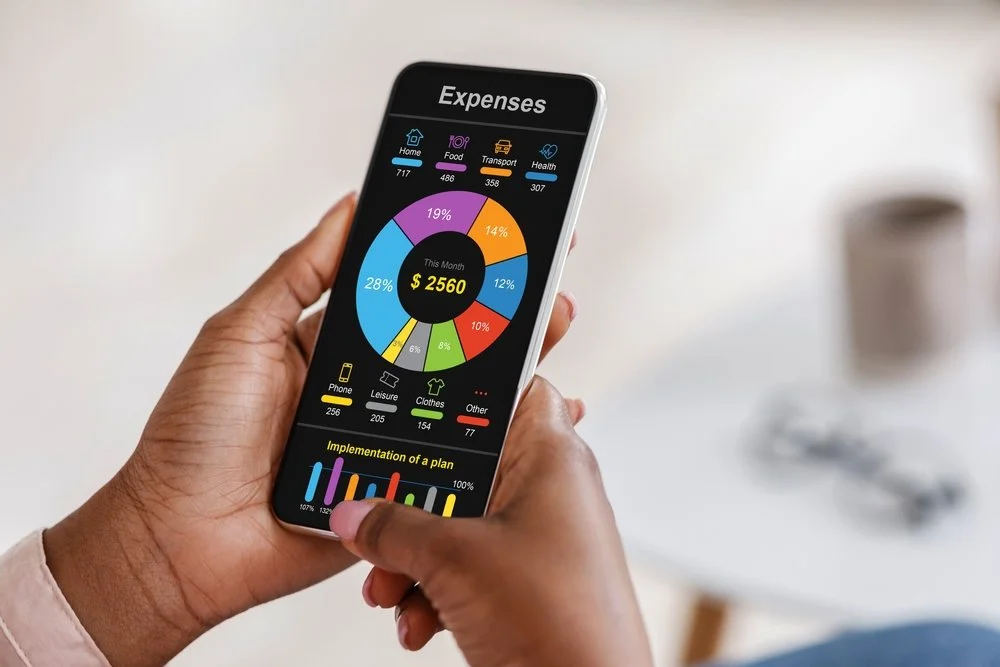
Managing personal finances has become increasingly complex in today’s digital economy. With variable income streams, subscription services, investment accounts, and numerous financial obligations, individuals need reliable tools to track their spending and build sustainable financial habits. The budgeting app market has expanded dramatically over the past decade, offering solutions ranging from simple expense trackers to comprehensive financial management platforms. This guide explores the most effective free budgeting applications available, examining their features, strengths, and ideal use cases to help you make an informed decision.
Understanding the Role of Budgeting Apps in Modern Finance
Before diving into specific applications, it’s worth understanding why budgeting apps have become essential for financial management. Traditional methods like spreadsheets and pen-and-paper tracking require consistent manual effort and offer limited analytical insights. Digital budgeting tools automate data collection, provide real-time spending analysis, and generate visualizations that make financial patterns immediately apparent.
Research from the Consumer Financial Protection Bureau indicates that households using structured budgeting methods save an average of 10-15% more annually than those without formal tracking systems. Free budgeting apps democratize access to these tools, removing the cost barrier that previously limited budgeting adoption to those who could afford premium financial software. The key advantage lies in behavioral change—when individuals can visualize their spending patterns in real-time, they naturally make more conscious financial decisions.
How to Choose the Right Budgeting App for Your Needs
Selecting an appropriate budgeting application depends on several factors unique to each individual’s financial situation. Consider your primary goal: are you looking to reduce discretionary spending, track investment portfolios, manage debt repayment, or simply gain awareness of where your money goes each month? Different apps excel in different areas, and matching your needs to an app’s strengths ensures sustainable usage rather than abandoned downloads.
Security represents another critical consideration. Any budgeting app stores sensitive financial information, so understanding how applications encrypt data and handle security protocols is essential. Most reputable free budgeting apps employ bank-level encryption (256-bit SSL encryption) and comply with financial industry standards including the Gramm-Leach-Bliley Act. Cross-referencing app security practices through independent reviews on TrustRadius or the National Cybersecurity Center of Excellence can provide additional confidence in security measures.
Platform compatibility matters as well. Whether you primarily use iOS, Android, or a combination across devices influences which apps provide the most seamless experience. Some applications function as web-based platforms accessible from any browser, while others optimize primarily for mobile devices. The best choice aligns with your existing technology ecosystem and daily usage patterns.
Top Free Budgeting Apps: Detailed Analysis
Mint: Comprehensive Tracking with Automated Categorization
Mint stands as one of the most widely adopted free budgeting applications, known for its automatic transaction categorization and comprehensive spending analysis. The application connects to bank accounts, credit cards, loans, and investment accounts, aggregating financial data into a unified dashboard. Users see spending broken down by category, track progress toward savings goals, and receive alerts when approaching budget limits.
The strength of Mint lies in its automation. Rather than manually entering transactions, the app pulls data directly from financial institutions through secure connections. This reduces data entry errors and encourages consistent usage, as users benefit from real-time insights without significant effort investment. The application’s goal-setting features allow users to establish savings targets and monitor progress, creating accountability for financial objectives.
A notable limitation involves Mint’s acquisition by Intuit in 2018, which has led to ongoing changes in functionality and eventual migration of features to other platforms. Users should verify current features directly, as the application landscape continues evolving. Despite this transition, Mint’s historical effectiveness and widespread adoption make it a reliable reference point for evaluating other applications.
YNAB (You Need A Budget): Behavioral Approach to Spending
YNAB distinguishes itself through a philosophy-driven approach to budgeting based on four core principles: give every dollar a job, embrace your true expenses, roll with the punches, and age your money. While YNAB offers a paid premium version, its free trial period and educational resources provide valuable learning opportunities for budgeting fundamentals.
The application implements the zero-based budgeting methodology, requiring users to allocate every income dollar to a specific purpose before spending occurs. This approach differs from apps that simply track spending after the fact—instead, YNAB encourages proactive financial planning. Users categorize upcoming expenses, savings goals, and debt repayment, creating a deliberate spending plan aligned with personal values and objectives.
YNAB’s extensive learning resources include video tutorials, detailed documentation, and a community forum where experienced users share strategies. This educational component provides significant value beyond the software itself, offering users frameworks for understanding their financial behaviors and making sustainable changes.
GoodBudget: Digital Envelope System
GoodBudget reimagines the traditional envelope budgeting system for the digital age. Users create virtual envelopes for different spending categories, allocating funds from their income to each envelope. As expenses occur, users record transactions and deduct them from the relevant envelope, providing immediate visibility into remaining funds for each category.
The application supports multiple users, making it particularly effective for managing family finances or shared household expenses. Partners can add transactions across devices, maintaining synchronized envelopes that reflect current spending reality across all household members. This collaborative feature addresses a common challenge in joint finances—ensuring both partners maintain awareness of spending patterns and budget adherence.
GoodBudget’s envelope system appeals to individuals who struggle with abstract budget percentages. Visualizing distinct envelopes with specific allocations creates psychological boundaries that some find more intuitive than traditional percentage-based budgets. The application’s simplicity—focusing on core budgeting without overwhelming features—suits users seeking straightforward expense tracking without complexity.
EveryDollar: Simplicity-Focused Budgeting
EveryDollar emphasizes simplicity and accessibility, offering a clean interface designed for users new to budgeting. The application uses zero-based budgeting methodology, requiring users to allocate every income dollar to predetermined categories. Rather than complex analytics or advanced features, EveryDollar focuses on the fundamental budgeting process: earning, allocating, and tracking expenses.
The free version provides adequate functionality for basic budgeting needs, including income tracking, category management, and spending summaries. Users can input transactions manually or—in the paid version—connect bank accounts for automatic transaction import. The straightforward approach makes EveryDollar accessible for individuals intimidated by feature-heavy financial software, lowering barriers to budgeting adoption.
Wally: Expense Tracking and Receipts
Wally specializes in receipt capture and detailed expense tracking through mobile photography. Users photograph receipts, and the application extracts transaction details, categorizing expenses automatically. This visual approach provides documentation for every purchase while creating a searchable expense history.
The receipt-focused methodology proves particularly valuable for tracking business expenses, managing reimbursements, or maintaining detailed records for tax preparation. Users can add notes, tags, and custom categories to receipts, creating a comprehensive expense database. Wally’s strength lies in documentation rather than complex budget planning, making it ideal for supplementing more comprehensive budgeting applications or serving as a dedicated expense documentation tool.
PocketGuard: Spending Guidance and Bill Management
PocketGuard takes a different approach by emphasizing spending guidance rather than restrictive budgeting. The application analyzes income, expenses, and savings goals to determine a safe spending amount—money available to spend without compromising savings objectives or bill payments. This “In Your Pocket” metric provides guidance on discretionary spending rather than prescriptive budget limits.
The application integrates bill payment tracking, alerting users to upcoming due dates and helping prevent missed payments. For individuals managing complex bill schedules or varied payment dates, this feature provides valuable organization. PocketGuard’s machine learning algorithms improve recommendations over time, learning individual spending patterns and providing increasingly personalized guidance.
GnuCash: Open-Source Desktop Solution
GnuCash offers a free, open-source desktop application for comprehensive personal finance management. Unlike cloud-based mobile apps, GnuCash functions as powerful desktop software suitable for individuals comfortable with traditional accounting software interfaces. The application tracks checking and savings accounts, credit cards, investments, and loans, providing detailed reporting and analysis.
GnuCash appeals to technically sophisticated users seeking complete financial control without ongoing subscription costs. The application implements double-entry accounting methodology, ensuring data accuracy through built-in validation. For users managing complex financial situations including multiple properties, business interests, or extensive investment portfolios, GnuCash’s comprehensive capabilities justify the steeper learning curve.
Goodly: Collaborative Family Finance
Goodly focuses specifically on family and household financial management, enabling multiple users to track shared expenses and individual spending. The application creates a unified view of family finances while maintaining individual expense categories, helping families understand collective financial patterns while respecting personal spending autonomy.
The platform includes features specifically designed for household dynamics: bill splitting among roommates, allowance tracking for children, and collaborative budgeting. These specialized features address real challenges in shared living situations where multiple income earners and different spending patterns complicate financial management.
Comparative Feature Analysis
| Feature | Mint | YNAB Free Trial | GoodBudget | EveryDollar | Wally | PocketGuard |
|---|---|---|---|---|---|---|
| Automatic Bank Sync | Yes | Yes | Manual | Manual/Paid | Manual | Yes |
| Zero-Based Budgeting | No | Yes | Yes | Yes | No | No |
| Receipt Capture | No | No | No | No | Yes | No |
| Multi-User Support | Limited | No | Yes | Limited | No | No |
| Bill Reminders | Yes | Yes | Limited | Yes | No | Yes |
| Investment Tracking | Yes | Limited | No | No | No | Limited |
| Spending Alerts | Yes | Yes | Yes | Yes | Limited | Yes |
| Completely Free | Yes | Trial only | Yes | Yes (Basic) | Yes | Limited free |
| Desktop Version | No | Yes | No | Web access | No | Web access |
Security and Privacy Considerations
Financial data security requires careful evaluation when selecting any budgeting application. Leading budgeting apps implement bank-level 256-bit SSL encryption for data transmission and employ secure storage protocols for sensitive information. Applications undergo regular security audits and comply with financial industry regulations including the Financial Industry Regulatory Authority (FINRA) standards for data protection.
Privacy policies vary significantly among applications. Some apps monetize user data through anonymized analytics sold to financial institutions, while others maintain stricter privacy standards. Reading privacy policies thoroughly reveals data collection practices, third-party sharing arrangements, and user controls over personal information. The Privacy Badger browser extension and independent privacy reviews provide additional insights into data practices.
Two-factor authentication availability strengthens account security, and applications supporting biometric authentication (fingerprint or facial recognition) add convenience without compromising security. Reviewing whether applications maintain local device backups alongside cloud storage provides additional data protection in case of account access issues.
Maximizing Budgeting App Effectiveness
Implementing a budgeting application successfully extends beyond downloading and connecting accounts. Sustained effectiveness requires establishing regular review habits and adjusting categories and allocations based on actual spending patterns. Most financial experts recommend monthly budget reviews—examining spending against allocations, identifying unexpected patterns, and adjusting forward-looking categories.
The behavioral component of budgeting proves more important than the technology itself. Research from Duke University’s behavioral economics program demonstrates that accountability mechanisms—whether through external review or visible progress tracking—significantly increase budget adherence. Users who regularly review spending data and adjust behaviors accordingly achieve 40-50% better savings outcomes than those passively tracking expenses.
Setting realistic budget allocations initially encourages sustained usage. Overly restrictive budgets that drastically cut discretionary spending typically result in abandonment within 2-3 months. Instead, gradually reducing discretionary spending categories while identifying specific savings targets creates sustainable behavior change. Starting with categories where spending consistently exceeds expectations provides concrete areas for adjustment without requiring wholesale lifestyle transformation.
Categorization strategy significantly impacts budgeting effectiveness. While default category systems provided by applications offer reasonable starting points, customizing categories to reflect individual spending patterns improves relevance. A user with significant transportation costs might subdivide that category into vehicle maintenance, fuel, insurance, and public transit, creating granular visibility into transportation spending patterns.
Frequently Asked Questions
Q: Is it safe to connect my bank accounts to budgeting apps?
A: Yes, when using reputable applications with proper security measures. Apps use encrypted connections and secure authentication protocols (typically OAuth) that don’t store actual banking credentials. The connection functions through your bank’s official API, similar to how your bank’s mobile app works. Review the app’s security certifications and privacy policy before connecting accounts, and enable two-factor authentication on your banking accounts for additional security.
Q: How often should I review my budget?
A: Financial experts recommend monthly budget reviews as a baseline, coinciding with paycheck schedules or calendar months. Some individuals benefit from weekly spending checks during the adjustment period when establishing new budgeting habits. Regular review frequency reinforces budget consciousness and enables rapid course correction when spending patterns deviate from allocations. As budgeting becomes habitual, review frequency can decrease, though quarterly reviews maintain awareness and allow seasonal adjustments.
Q: Can budgeting apps help with debt repayment?
A: Most budgeting apps track debt balances and allow debt repayment categories within the budget structure. Some applications specifically support debt payoff strategies including snowball or avalanche methods. However, dedicated debt repayment apps or loan calculators might provide more specialized functionality for aggressive debt elimination. Using a primary budgeting app alongside supplementary debt tracking tools often provides comprehensive debt management.
Q: What happens if I stop using the app?
A: Discontinued app usage doesn’t directly harm finances, though it removes the visibility that typically encourages conscious spending decisions. Historical data stored by the application remains accessible for review if you return to the app later. Most users who discontinue app usage experience spending creep—gradual increases in discretionary spending—over subsequent months. Reestablishing app usage typically reveals these spending increases and provides motivation to return to budgeting discipline.
Q: Should I use multiple budgeting apps simultaneously?
A: Using multiple apps simultaneously typically creates confusion and reduces effectiveness due to categorization inconsistencies and time burden. Most individuals benefit from selecting one primary budgeting application and consistently using it. Supplementary apps for specific purposes—such as receipt capture or investment tracking—can complement a primary app without replacing its core functionality. Consolidation around a single primary app improves data consistency and reduces maintenance burden.
Q: How do I choose between apps focused on tracking versus planning?
A: Tracking-focused apps excel at documenting where money actually goes, providing spending visibility useful for understanding current financial patterns. Planning-focused apps emphasize allocating future income before spending occurs, supporting goal-oriented budgeting. Individuals new to budgeting often benefit from starting with tracking-focused apps to understand actual spending patterns before implementing restrictive allocations. As budgeting becomes more sophisticated, planning-oriented approaches gain value.
Q: Can budgeting apps work effectively for variable income?
A: Apps handle variable income through monthly averaging or conservative budgeting based on lower income months. Some applications support income variability through flexible category allocation or recommendation adjustments based on recent earnings. Creating a separate emergency fund category within the budget provides a mechanism for absorbing lower-income months. Apps work best when budgeting based on conservative income assumptions and treating higher-income months as opportunities to accelerate savings rather than increase spending.
Q: What security features should I prioritize?
A: Bank-level encryption (256-bit SSL), secure authentication protocols (OAuth or two-factor authentication), and compliance with financial industry standards rank as primary security priorities. Regular security audits and transparent privacy policies indicate responsible data handling. Biometric authentication availability adds convenience without reducing security. Reviewing app ratings and security certifications through independent sources provides confidence in security practices before connecting sensitive financial information.
The Digital Financial Landscape and Personal Agency
The proliferation of free budgeting applications represents a democratization of financial management tools previously available only through paid advisory services or expensive software. This accessibility shift has meaningfully impacted financial literacy and savings behavior across diverse economic backgrounds. Individuals without sophisticated financial knowledge can now access tools once reserved for wealthy clients working with professional financial advisors.
However, technology alone never drives financial success—discipline, intentional decision-making, and behavioral change determine outcomes. The most sophisticated budgeting application provides minimal benefit without user commitment to regular review and thoughtful spending decisions. Conversely, individuals with strong financial intentions can achieve meaningful results through simple tools and consistent application.
Selecting among free budgeting applications ultimately depends on personal preference, financial situation complexity, and preferred interaction style. Some individuals thrive with visual, envelope-based approaches, while others prefer data-driven analysis and detailed reporting. Others benefit from simplicity and straightforward allocation systems without overwhelming features. Testing multiple applications through trial periods before long-term commitment reveals which user experience and core approach aligns with individual preferences.
The effectiveness of any budgeting application correlates directly with user engagement. Applications generating intrinsic motivation—whether through satisfying user interface design, meaningful insights, or behavioral reinforcement—sustain usage better than feature-rich apps that overwhelm or discourage regular interaction. Starting with an application that feels intuitive and encouraging experimentation across different approaches accelerates the process of finding the right financial management tool.
Conclusion and Implementation Path Forward
Free budgeting applications have fundamentally transformed personal finance management, placing powerful financial analysis tools in the hands of anyone with smartphone access. Whether managing a household budget, tracking spending to reduce expenses, or building savings discipline, appropriate applications exist for virtually every financial management need and preference.
The landscape of free budgeting apps offers genuine abundance—the challenge lies not in finding adequate options but in selecting the tool that aligns with individual financial goals, preferences, and usage patterns. Mint provides comprehensive automated tracking for individuals seeking minimal manual effort. YNAB and EveryDollar serve users implementing zero-based budgeting philosophies. GoodBudget appeals to those preferring visual envelope systems, while Wally excels for detailed receipt documentation. PocketGuard offers data-driven guidance for individuals seeking spending recommendations rather than rigid budget allocations.
Moving forward, consider your primary financial challenge: Are you struggling with spending awareness? Start with a comprehensive tracking application. Do you have specific savings goals requiring allocation discipline? Zero-based budgeting applications provide structure. Are family finances or shared expenses a complication? Collaborative platforms address multi-user scenarios effectively.
Rather than viewing app selection as a permanent decision, treat initial selection as an experimental phase. Download 2-3 applications aligned with your apparent needs, test their interfaces, and evaluate how the user experience feels during typical usage. Most applications provide free tiers or trial periods sufficient for meaningful evaluation. Allow 2-3 weeks of consistent usage before concluding whether an application fits your preferences—adoption requires time as financial habits evolve.
The technology represents infrastructure; your sustained engagement and commitment to intentional financial decisions determine actual financial outcomes. Applications excel at providing visibility and removing friction from tracking and planning processes, but behavioral discipline remains the essential ingredient. With the right combination of appropriate technology and committed implementation, budgeting applications facilitate meaningful progress toward personal financial objectives, supporting both immediate spending control and long-term wealth building regardless of income level or financial complexity.