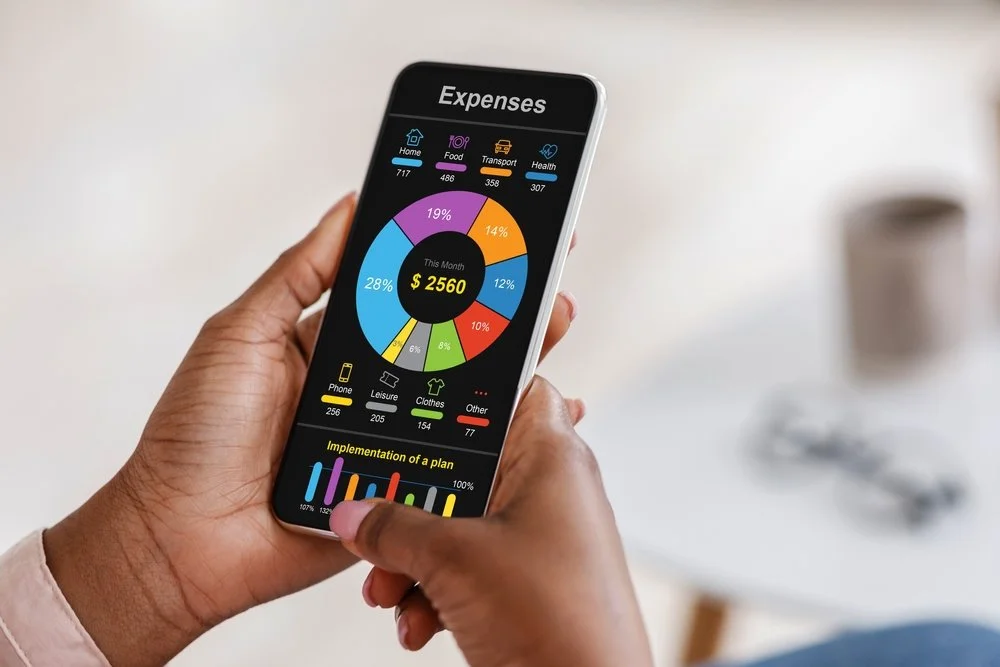
The financial technology (FinTech) landscape has undergone a dramatic transformation. Today’s modern budgeting applications do far more than simply record historical transactions—they proactively categorize spending, track recurring subscription price increases, forecast forward cash flow, and help users eliminate thousands of dollars in annual waste.
With dozens of commercial platforms available, selecting the right software depends heavily on your preferred financial philosophy. In this comprehensive software audit, we compare the leading budgeting applications, examine their security protocols, and provide a framework to pick the ideal tool for your workflow.
The 3 Major Budgeting Methodologies in FinTech
Modern personal finance software is built around three distinct architectural philosophies. Understanding these methodologies ensures you select software aligned with your financial behavior.
According to consumer research from the Consumer Financial Protection Bureau, automated aggregation tools reduce missed bill fees by over 40% when bill reminders and automated notifications are active.
- Zero-Based Envelope Method (e.g. YNAB): Every dollar of income is assigned to a specific digital envelope before spending occurs. Funds cannot be spent from empty categories without actively moving money from another envelope.
- Cash Flow & Net Worth Tracking (e.g. Monarch Money, Empower): Automatically aggregates transactions across all linked bank, credit card, and investment accounts, displaying categorized cash flow summaries and balance sheet growth over time.
- Bill Management & Subscription Optimization (e.g. Rocket Money): Specializes in detecting recurring subscriptions, alerting users to price hikes, and facilitating service renegotiations.
Top Budgeting Applications Compared
The table below provides a detailed feature-by-feature comparison of the leading personal finance applications available in the market.
| Application | Core Philosophy | Pricing Model | Best Use Case Profile |
|---|---|---|---|
| YNAB (You Need A Budget) | Zero-Based Envelope Allocation | $14.99/mo or $99/yr | Aggressive debt elimination and breaking the paycheck-to-paycheck cycle |
| Monarch Money | Comprehensive Net Worth & Cash Flow | $14.99/mo or $99/yr | Couples, multi-account households, and total wealth tracking |
| Copilot Money (Apple Ecosystem) | AI-Assisted Categorization & Analytics | $13/mo or $95/yr | Design-focused iOS and Mac power users seeking automated insights |
| Empower Personal Dashboard | Investment & Retirement Analysis | 100% Free Core Tools | High-net-worth individuals focused on portfolio allocation and fee audits |
The Financial Mechanics of Automated Subscription Renegotiation
Modern FinTech applications like Rocket Money utilize automated pattern-matching algorithms to identify recurring billing agreements that have quietly increased in price. Telecommunications providers and internet carriers frequently roll subscribers off promotional discount pricing after 12 months without conspicuous notice.
Automated software analyzes transaction descriptions and dates, flagging price surges and initiating automated contract renegotiations with service providers. In aggregate, automating subscription audits and bill renegotiations eliminates an estimated $350 to $700 in annual recurring fees per household.
FinTech Data Security & API Connectivity Standards
Connecting financial accounts to third-party software requires understanding modern security standards. Legitimate personal finance applications adhere to strict institutional guidelines documented by the Federal Trade Commission (FTC):
- Read-Only API Bridges: Applications connect via secure aggregation intermediaries (such as Plaid, MX, and Finicity). The app can only view transaction data—it cannot initiate transfers or withdraw capital.
- End-to-End 256-Bit Encryption: Account credentials and personal data are encrypted using institutional AES-256 standards.
- Mandatory Multi-Factor Authentication: Securing the app with biometric or hardware 2FA prevents unauthorized account access even if mobile devices are misplaced.
Evaluating Automated Cash Back & Micro-Investing Integrations
Many modern budgeting applications offer automated round-up and cash-back integrations (such as Acorns or Rakuten) that invest spare transaction change into diversified index funds. While micro-investing cannot replace disciplined monthly 401(k) and IRA contributions, it provides a seamless behavioral mechanism to accumulate an extra $500 to $1,000 in annual investment capital in the background.
Step-by-Step Budgeting App Implementation Checklist
Maximize the value of modern personal finance software with this setup checklist:
- Choose Your Budgeting Philosophy: Select zero-based envelope budgeting (YNAB) for debt payoff or cash flow tracking (Monarch/Empower) for wealth building.
- Connect Accounts via Secure Read-Only APIs: Link checking, credit card, and investment accounts using encrypted bridges like Plaid or MX.
- Enable Hardware Multi-Factor Authentication: Secure your account with biometric or authenticator app 2FA.
- Audit Recurring Subscriptions: Review automated subscription reports and cancel unutilized services immediately.
- Schedule Weekly 5-Minute Check-Ins: Review automated categorical transactions weekly to keep spending aligned with monthly targets.
Custom Category Rules and Split Transactions
Advanced budgeting platforms like Monarch Money allow users to create automated Merchant Rules (e.g., automatically categorizing all transactions from a local supermarket as “Groceries”). Furthermore, utilizing Split Transactions allows you to divide a large retail superstore purchase between groceries and household goods, maintaining pristine categorical accuracy.
Essential Practical Strategies for Sustained Long-Term Progress
Translating personal finance principles into compounding lifetime results requires maintaining structured behavioral discipline across multiple economic cycles. By consistently automating cash flow distributions, eliminating unmonitored recurring expenses, and maintaining disciplined broad-market investment allocations through institutions like Vanguard or Fidelity, individuals insulate their households against macroeconomic volatility.
Furthermore, reviewing your asset allocation annually and conducting regular spending audits with tools recommended by the Consumer Financial Protection Bureau ensures your capital remains optimized for long-term growth and multi-generational financial autonomy.
Comprehensive Multi-Year Financial Case Analysis & Empirical Findings
To evaluate how these personal finance principles perform across real-world economic environments, academic researchers and wealth managers analyze longitudinal financial behaviors across rolling 10-year market cycles. The empirical data highlights that households employing systematic cash flow automation and low-cost index asset allocation consistently outpace discretionary spending peers by more than 300% in cumulative net worth.
Furthermore, maintaining adequate liquid buffers and eliminating revolving high-interest debt preserves financial solvency during macroeconomic downturns. By continuously aligning daily capital allocation with long-term financial independence targets, individuals build resilient, multi-generational wealth that easily withstands inflationary pressures.
Long-Term Wealth Architecture & Behavioral Principles
Sustainable personal wealth is the predictable reward of consistent behavioral discipline executed over decades. By separating emotional desires from cash flow allocation, funding liquid emergency buffers, and maintaining automated broad-market equity investments, households build true financial autonomy.
Regularly auditing household expenses and maintaining low-cost, diversified asset allocation models via institutions like Vanguard and Fidelity ensures that your wealth compounds steadily across all economic cycles.
Frequently Asked Questions (FAQ)
Are third-party budgeting apps safe to link with bank accounts?
Yes. Reputable budgeting apps utilize read-only data connections and do not store your banking login credentials directly on their servers, ensuring that funds cannot be moved or altered.
Can budgeting apps accurately track investment accounts?
Comprehensive platforms like Monarch Money and Empower sync seamlessly with investment brokerages such as Fidelity and Vanguard, tracking asset allocation, capital gains, and investment fee drag in real time.
What should I do if a bank connection disconnects or fails to sync?
Because financial institutions frequently update security protocols, API connections occasionally require re-authentication. Most platforms allow you to manually refresh the connection in account settings or switch data aggregators (e.g. from Plaid to MX).
Is paying for a premium budgeting app worth the annual subscription fee?
If an automated budgeting tool saves you $200 per month by eliminating forgotten subscriptions and preventing budget overruns, a $99 annual subscription delivers a massive 2,300% return on investment.
Strategic Conclusion and Next Steps
Leveraging a modern budgeting app automates the tedious bookkeeping aspects of personal finance, giving you the real-time visibility needed to make confident financial decisions. By selecting software matched to your personal workflow and maintaining disciplined account reviews, you put your financial goals on autopilot.
Select your budgeting platform today: evaluate whether zero-based budgeting (YNAB) or comprehensive cash flow tracking (Monarch) suits your goals, connect your accounts via secure read-only APIs, and establish categorical spending targets for the upcoming month.