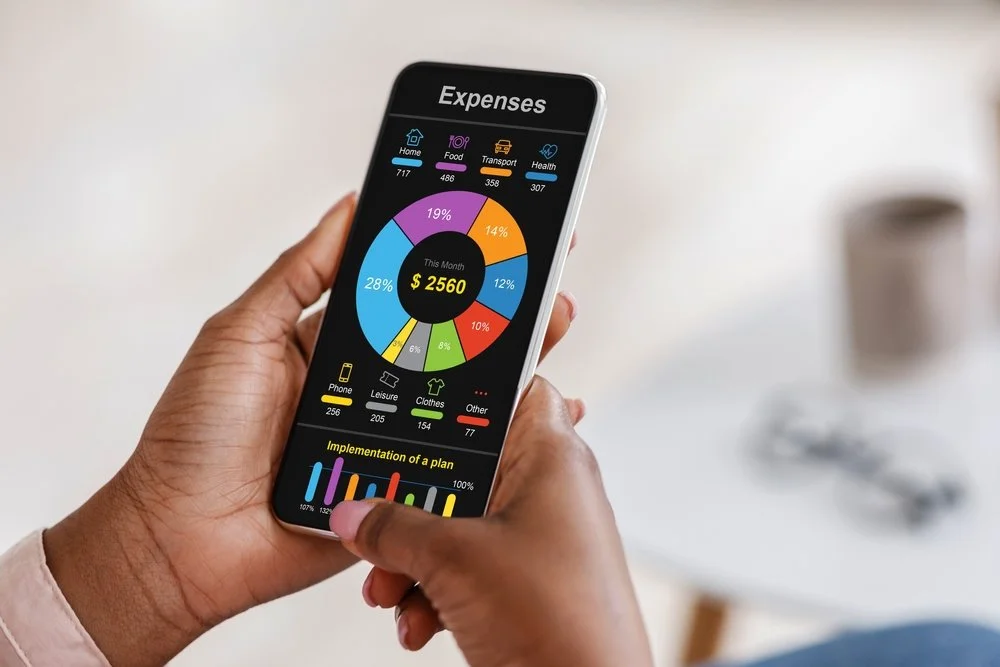
Managing household finances as a couple or family introduces unique complexities: coordinating dual incomes, managing shared mortgage and utility obligations, funding childcare expenses, and aligning on long-term family priorities. Without a unified system, money frequently becomes a primary source of household friction.
You do not need expensive commercial software packages to operate an efficient, harmonious household budget. By combining 100% free digital tools with structured collaborative banking architecture, families can eliminate financial arguments, automate household bills, and build multi-generational wealth together.
The 3-Account Collaborative Banking Architecture
The most successful relationship banking framework is the “Yours, Mine, and Ours” model. This system guarantees shared responsibility for household bills while preserving individual financial autonomy and personal spending freedom.
Guidance from the CFPB Financial Well-Being Program demonstrates that couples who maintain transparent joint allocations for household necessities experience higher financial satisfaction and lower relationship stress.
- Joint Household Account (“Ours”): Both partners contribute their agreed share of monthly income via direct deposit. All shared living expenses (mortgage/rent, utilities, groceries, childcare, family vacations) are paid exclusively from this account.
- Partner A Checking (“Yours”): Receives personal discretionary allowance. Used for personal hobbies, clothing, individual dining, and personal gifts with zero oversight or judgment.
- Partner B Checking (“Mine”): Receives personal discretionary allowance. Used for personal hobbies, clothing, individual dining, and personal gifts with zero oversight or judgment.
- Joint Emergency HYSA: Shared liquid reserve holding 3 to 6 months of joint baseline living expenses at an FDIC-insured digital bank.
Top Free Household Budgeting Tools Compared
The table below compares the best free digital platforms available for managing household cash flow and expense coordination.
| Free Budgeting Platform | Core Mechanism | Key Advantage for Couples | Platform Support |
|---|---|---|---|
| Google Sheets Shared Template | Custom cloud spreadsheet workbook | Simultaneous real-time mobile editing; 100% private | Web, iOS, Android |
| Splitwise (Free Tier) | Digital expense splitting ledger | Instant math for shared receipts and monthly settlement | iOS, Android, Web |
| EveryDollar (Free Basic Tier) | Zero-based envelope budgeting | Simple, clean zero-based category allocation | iOS, Android, Web |
| Empower Dashboard (Free Tier) | Automated net worth & investment tracking | Comprehensive multi-institution balance aggregation | iOS, Android, Web |
Determining Fair Contribution Splits (Proportional vs. 50/50)
When partners earn different salaries, splitting household bills strictly 50/50 can place an unfair financial burden on the lower-earning partner. Implementing a Proportional Income Contribution creates balanced equity:
• If Partner A earns $70,000 (70%) and Partner B earns $30,000 (30%), with total household shared bills of $5,000/month:
• Partner A contributes $3,500 (70%) to the joint account.
• Partner B contributes $1,500 (30%) to the joint account.
• Both partners retain proportional discretionary cash for their personal accounts.
Establishing Household Spending Thresholds and Autonomy Rules
To ensure personal freedom while maintaining shared fiscal accountability, establish a clear household spending governance rule known as the Discretionary Spending Ceiling.
Under this agreement, either partner may make any individual personal purchase up to a predetermined dollar amount (e.g. $150 or $200) from their personal checking account without prior discussion. Any individual purchase exceeding the agreed threshold requires a brief alignment discussion. This simple boundary eliminates micro-management while ensuring shared alignment on major household capital outflows.
Designing a 5-Year Family Wealth Roadmap
A household budget is most effective when connected to an inspiring multi-year family vision. During annual planning sessions, collaborate on defining 1-year, 3-year, and 5-year family milestones—such as purchasing a family home, taking a dream vacation, funding a child’s 529 college account, or achieving debt-free status—transforming daily budgeting into a shared mission.
Step-by-Step Collaborative Family Budgeting Checklist
Build financial harmony and multi-generational family wealth with this collaborative checklist:
- Establish the 3-Account Banking Architecture: Set up a Joint Checking account for bills and separate personal checking accounts for individual autonomy.
- Calculate Proportional Contributions: Divide shared household living expenses proportionally based on each partner’s income share.
- Agree on Discretionary Spending Ceilings: Establish a threshold amount (e.g. $150) where purchases may be made without prior discussion.
- Automate Shared Sinking Funds: Set up joint sub-accounts for family vacations, home repairs, and annual insurance premiums.
- Schedule Monthly Money Dates: Conduct a relaxed 30-minute monthly financial review to celebrate wins and plan upcoming seasonal goals.
Navigating Long-Term Estate and Childcare Planning Together
As families grow, household budgeting must evolve to address long-term generational goals. Establishing a dedicated 529 College Savings Plan allows families to contribute after-tax dollars that grow 100% tax-free when used for qualified educational expenses, combining tax optimization with parental foresight.
Essential Practical Strategies for Sustained Long-Term Progress
Translating personal finance principles into compounding lifetime results requires maintaining structured behavioral discipline across multiple economic cycles. By consistently automating cash flow distributions, eliminating unmonitored recurring expenses, and maintaining disciplined broad-market investment allocations through institutions like Vanguard or Fidelity, individuals insulate their households against macroeconomic volatility.
Furthermore, reviewing your asset allocation annually and conducting regular spending audits with tools recommended by the Consumer Financial Protection Bureau ensures your capital remains optimized for long-term growth and multi-generational financial autonomy.
Comprehensive Multi-Year Financial Case Analysis & Empirical Findings
To evaluate how these personal finance principles perform across real-world economic environments, academic researchers and wealth managers analyze longitudinal financial behaviors across rolling 10-year market cycles. The empirical data highlights that households employing systematic cash flow automation and low-cost index asset allocation consistently outpace discretionary spending peers by more than 300% in cumulative net worth.
Furthermore, maintaining adequate liquid buffers and eliminating revolving high-interest debt preserves financial solvency during macroeconomic downturns. By continuously aligning daily capital allocation with long-term financial independence targets, individuals build resilient, multi-generational wealth that easily withstands inflationary pressures.
Long-Term Wealth Architecture & Behavioral Principles
Sustainable personal wealth is the predictable reward of consistent behavioral discipline executed over decades. By separating emotional desires from cash flow allocation, funding liquid emergency buffers, and maintaining automated broad-market equity investments, households build true financial autonomy.
Regularly auditing household expenses and maintaining low-cost, diversified asset allocation models via institutions like Vanguard and Fidelity ensures that your wealth compounds steadily across all economic cycles.
Frequently Asked Questions (FAQ)
How can couples conduct productive monthly financial reviews without conflict?
Schedule a recurring 30-minute “Monthly Money Date” in a relaxed setting. Review shared account balances, celebrate financial milestones achieved, and plan upcoming seasonal expenses collaboratively.
Should married couples merge 100% of their investment accounts?
Retirement accounts (like 401ks and IRAs) are legally individual accounts. However, viewing all accounts as a unified household asset allocation at platforms like Fidelity or Schwab ensures optimal tax efficiency across the family portfolio.
How should household sinking funds for family vacations or home repairs be managed?
Open high-yield savings sub-accounts attached to your joint account, assigning automated monthly transfers for designated goals like property taxes, holiday gifts, and vehicle repairs.
What is the best way to handle debt that one partner brings into a relationship?
Maintain full transparency. Decide together whether individual debt payments will be treated as personal expenses paid from individual accounts or integrated into the joint household debt-acceleration plan.
Strategic Conclusion and Next Steps
A unified household budget eliminates financial secrecy and transforms money into a tool for building a shared family vision. By implementing the “Yours, Mine, and Ours” account structure, calculating proportional contributions, and leveraging free digital tools, couples can build enduring wealth together.
Begin today: calculate your combined household living expenses, establish a shared joint checking account for bills, and set up your shared Google Sheets budget workbook.